
Valeda® Light Therapy for Dry AMD
Innovative Dry AMD Care in La Jolla
Gordon Schanzlin New Vision Institute has long been a destination for patients throughout San Diego seeking advanced, personalized eye care. We are pleased to now offer the Valeda® Light Delivery System, an FDA-authorized photobiomodulation therapy for patients living with dry age-related macular degeneration (AMD).
For years, a dry AMD diagnosis came with limited options. Valeda gives our La Jolla patients a clinically validated, non-invasive treatment path for this common and progressive retinal condition.

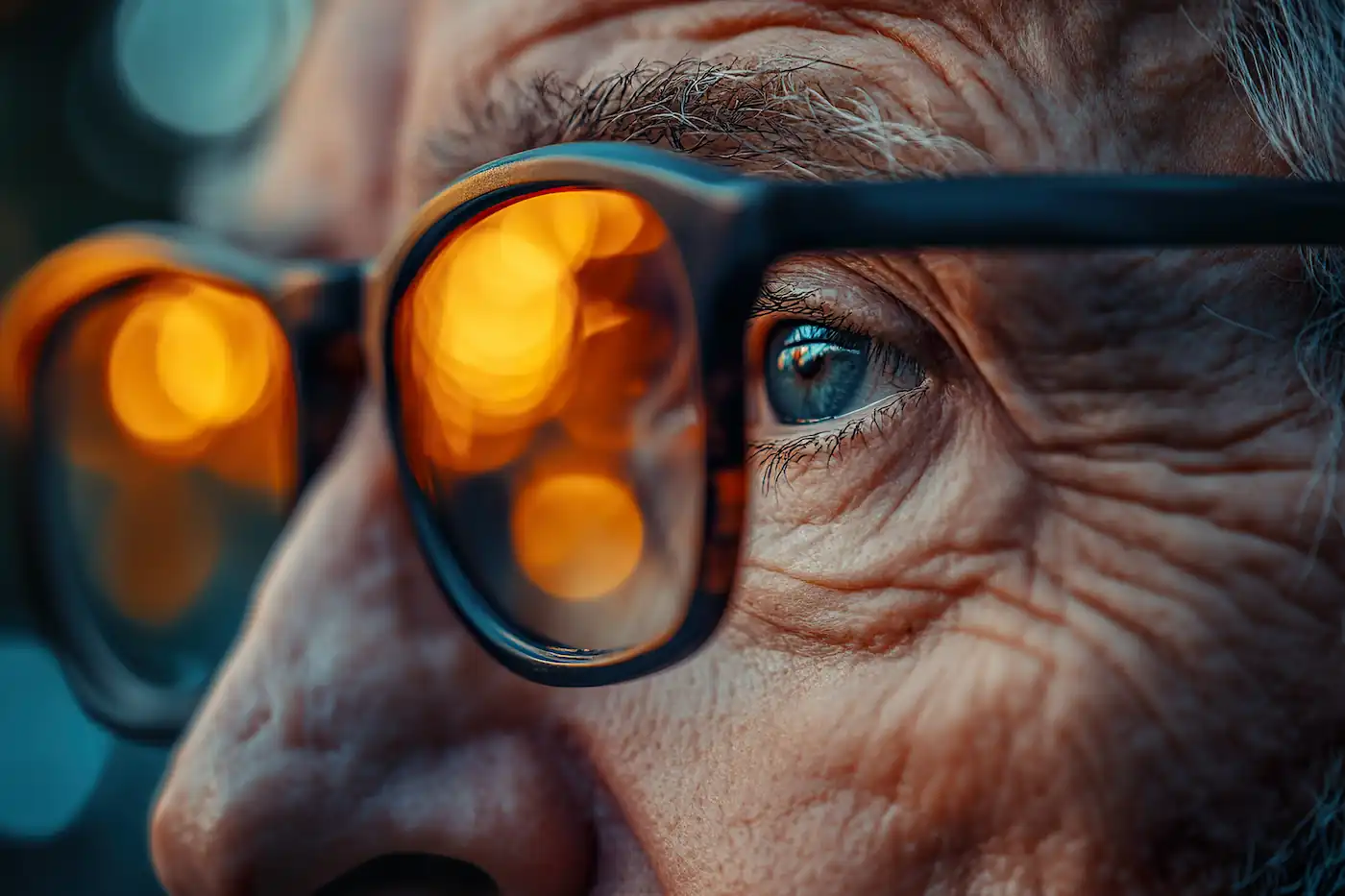
About Age-Related Macular Degeneration
The macula is a small region at the center of the retina that drives your sharpest vision. It is what you rely on when reading, driving, identifying faces, and taking in fine detail. Age-related macular degeneration occurs when that central region begins to deteriorate, gradually affecting the clarity and reliability of central vision.
AMD is primarily a condition of aging, with most cases developing in adults over 50. It does not typically cause total vision loss, but as it advances it can meaningfully interfere with daily life and independence.1
AMD presents in two forms:
- Dry AMD (non-neovascular): the most prevalent type, progressing through stages as retinal cells decline over time
- Wet AMD (neovascular): less common, involving abnormal blood vessel growth beneath the retina and a faster course
Valeda® Light Therapy is specifically indicated for qualifying patients with dry AMD.
Understanding Dry AMD
Dry AMD makes up the vast majority of macular degeneration diagnoses.2 It develops as the light-sensitive photoreceptor cells in the macula slowly deteriorate, often accompanied by the buildup of fatty protein deposits called drusen under the retina.
Patients with dry AMD may notice:
- A soft blur or dullness in the center of their vision
- Trouble with close-up tasks such as reading or threading a needle
- Faces becoming harder to distinguish
- Straight lines appearing slightly bent or wavy
- Greater dependence on bright light for everyday activities
Early-stage dry AMD can be nearly symptom-free, making routine retinal exams essential for timely detection. Over time, without intervention, the condition can progress and impact visual independence in meaningful ways.
Historically, the standard of care focused on observation and, where appropriate, nutritional supplementation. Valeda represents a new category of treatment for this patient population.
What Is Valeda® Light Therapy?
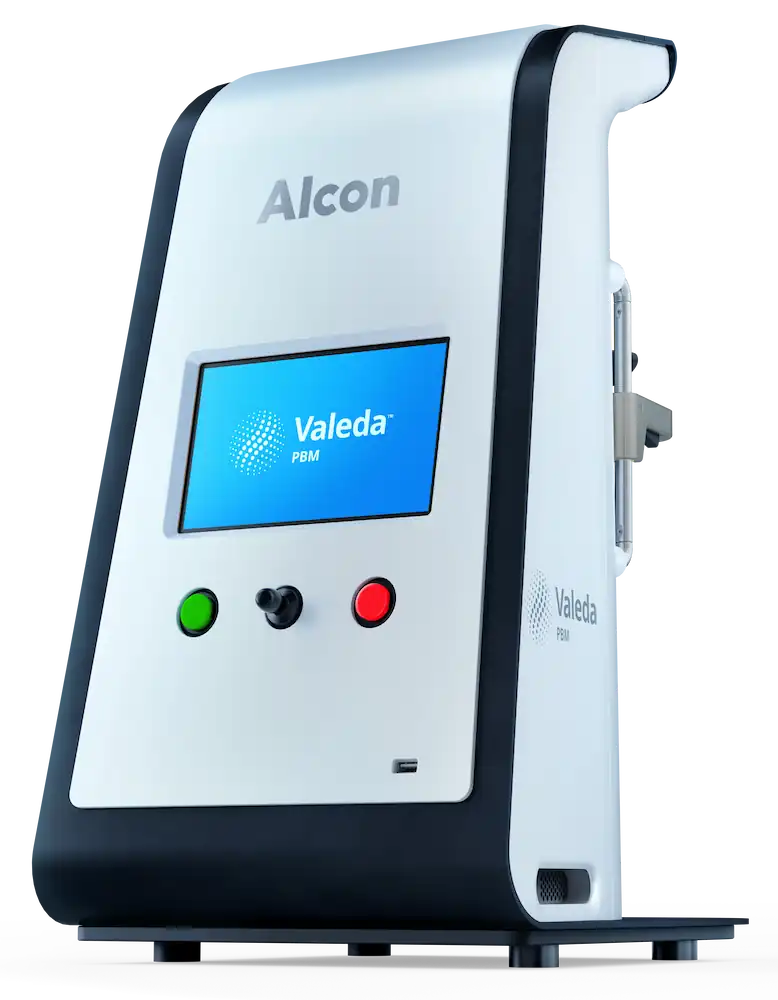
Valeda is the first and only FDA-authorized device treatment with clinical evidence of improving visual function in dry AMD patients. It works through a process called photobiomodulation (PBM), in which carefully chosen wavelengths of therapeutic light are directed at the retina to stimulate cellular repair and energy production at the mitochondrial level.
Valeda requires no surgical preparation, no injections, and no anesthesia. It is a fully in-office procedure that most patients find comfortable and easy to tolerate.
What sets Valeda apart:
- The only FDA-authorized treatment of its kind for dry AMD
- Non-invasive with no needles, dilation, speculums, or downtime
- Delivered entirely in our La Jolla office
- Backed by results from a rigorous two-year clinical trial
How Valeda Works
The Valeda system emits three specific wavelengths of light designed to penetrate retinal tissue and activate the mitochondria within retinal cells. Because the retina has an exceptionally high concentration of mitochondria, supporting their function can have a meaningful effect on retinal cell health and visual performance.
By enhancing cellular energy output and reducing oxidative stress, Valeda works to slow the progression of retinal cell damage and support clearer, more stable vision over time.
Results from the LIGHTSITE III clinical trial found that 84% of treated patients improved or maintained their vision at two years, with more than 60% gaining at least one line of visual acuity compared to their starting point.3

What Treatment Looks Like
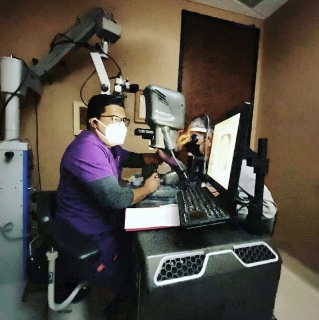
Each Valeda session takes place in our La Jolla office and requires nothing from you but a few comfortable minutes in the treatment chair. There is no preparation involved, no recovery period afterward, and patients return to normal activities immediately.
Treatment follows a structured schedule of multiple sessions over two years. Our physicians at Gordon Schanzlin New Vision Institute will evaluate your retinal health in detail and design a treatment plan tailored to where you are in the progression of your dry AMD.
Finding Out If Valeda Is Right for You
Not every dry AMD patient will be a candidate for Valeda. Eligibility is based on the specific stage and characteristics of your macular degeneration, your best-corrected visual acuity, and a thorough review of your ocular and medical history.
At your consultation, our team will:
- Obtain advanced imaging of your macula and retinal structures
- Evaluate the severity and stage of your AMD
- Walk through your vision history and overall eye health
- Provide a clear, honest discussion of what Valeda may and may not offer you
Our focus is on building a care plan that reflects your individual needs and goals.
Talk to Our La Jolla Team About Valeda
If you or someone you care about has been diagnosed with dry macular degeneration, or if you have been noticing gradual changes in your central vision, we encourage you to reach out sooner rather than later.
Gordon Schanzlin New Vision Institute serves patients from across La Jolla, San Diego, and the surrounding region. Contact us today to schedule a comprehensive evaluation and learn whether Valeda® Light Therapy belongs in your vision care plan.

The Patient Experience
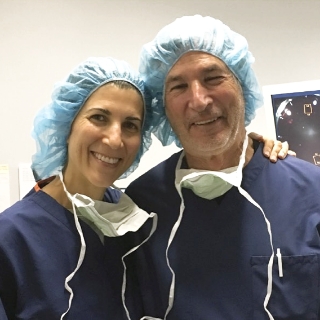
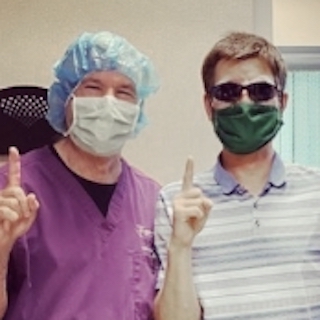
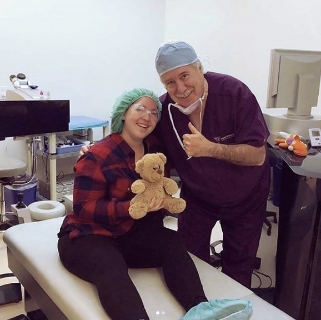
My appointment was outstanding. The doctor was thorough and courteous, and educated me about maintaining my visual acuity. Their office is beautiful and the staff was equally amazing. My wife and I look forward to being lifelong patients of theirs, and know that we are supported with comprehensive care of our vision.
Medical Disclaimer
This information is provided for educational purposes only and should not replace professional medical advice. Individual results may vary. All treatment options should be discussed with a qualified ophthalmologist. Gordon Schanzlin New Vision Institute follows all HIPAA privacy regulations and maintains the highest standards of patient confidentiality.
Editorial Review Process: This content has been reviewed by our medical team for accuracy and updated to reflect current treatment standards and research findings.
 Sources
Sources
1 American Academy of Ophthalmology. Understanding Macular Degeneration. Available: https://www.aao.org/eye-health/diseases/amd-macular-degeneration. Accessed May 22, 2026.
2 National Eye Institute. Age-Related Macular Degeneration (AMD) Data and Statistics. Available: https://www.nei.nih.gov/learn-about-eye-health/resources-for-health-educators/eye-health-data-and-statistics/age-related-macular-degeneration-amd-data-and-statistics Accessed May 22, 2026.
3 Boyer D, Hu A, Warrow D, Xavier S, Gonzalez V, Lad E, Rosen RB, Do D, Schneiderman T, Ho A, Munk MR, Jaffe G, Tedford SE, Croissant CL, Walker M, Rückert R, Tedford CE. LIGHTSITE III: 13-Month Efficacy and Safety Evaluation of Multiwavelength Photobiomodulation in Nonexudative (Dry) Age-Related Macular Degeneration Using the Lumithera Valeda Light Delivery System. Retina. 2024 Mar 1;44(3):487-497. doi: 10.1097/IAE.0000000000003980. PMID: 37972955; PMCID: PMC10885856. Available: https://pmc.ncbi.nlm.nih.gov/articles/PMC10885856/. Accessed May 22, 2206.
The doctors at Gordon Schanzlin New Vision Institute have either authored or reviewed and approved this content.
Page Updated:
 Call
Call  Book
Book  Location
  Specials