
Cataract Surgery
At Gordon Schanzlin New Vision Institute in La Jolla, San Diego, we specialize in advanced cataract surgery using state-of-the-art laser technology and premium intraocular lens options to restore clear vision and improve your quality of life. Our board-certifiedophthalmologists have decades of combined experience performing thousands of cataract surgeries and are committed to providing personalized care using the latest ophthalmic technology to help you achieve the clearest vision possible.

- What Are Cataracts?
- Cataract Causes and Risk Factors
- How Are Cataracts Diagnosed?
- Cataract Surgery: The Procedure
- Laser-Assisted Cataract Surgery
- Advanced Cataract Surgery Technology
- Intraocular Lens (IOL) Options
- Recovery and What to Expect After Cataract Surgery
- Preparing for Your Cataract Surgery
- Cataract Surgery Success Rates and Safety
- Why Choose Gordon Schanzlin New Vision Institute for Cataract Surgery
- Frequently Asked Questions About Cataract Surgery

What Are Cataracts?
A cataract is a clouding of the eye’s natural lens, which sits behind the iris and pupil. The lens is normally clear and focuses light onto the retina at the back of the eye. When proteins in the lens break down and clump together, they create a cloudy area that scatters light and reduces vision clarity.
Cataracts develop gradually, often without noticeable symptoms in early stages. As the clouding progresses, you may experience:
- Blurred or dim vision at all distances
- Difficulty seeing at night or in low light
- Sensitivity to light and glare, especially from headlights or sunlight
- Halos around lights
- Fading or yellowing of colors
- Frequent changes in eyeglass or contact lens prescription
- Double vision in one eye
 Trusted Source
Cataracts (Age-Related)
Cleveland Clinic
Go to Source
1
Trusted Source
Cataracts (Age-Related)
Cleveland Clinic
Go to Source
1
Many people describe cataracts as looking through a dirty or frosted window. The severity varies from person to person, and cataracts typically develop in both eyes, though one eye may be affected more than the other.

Cataract Causes and Risk Factors
While aging is the primary cause of cataracts, several factors can increase your risk of developing them earlier:
- Age (most common in people over 60)
- Prolonged UV sun exposure without protection
- Diabetes or other metabolic conditions
- Certain medications, particularly corticosteroids
- Previous eye injury or inflammation
- Family history of cataracts
- Smoking
- Excessive alcohol consumption
Trusted Source
Cataracts
Mayo Clinic
Go to Source
2
Understanding your risk factors can help you take preventive steps, such as wearing UV-protective sunglasses and managing chronic health conditions.
How Are Cataracts Diagnosed?
Diagnosing cataracts begins with a comprehensive eye examination at our La Jolla practice. During your visit, our eye doctors will perform several tests:
- Visual acuity testing to measure how well you see at various distances
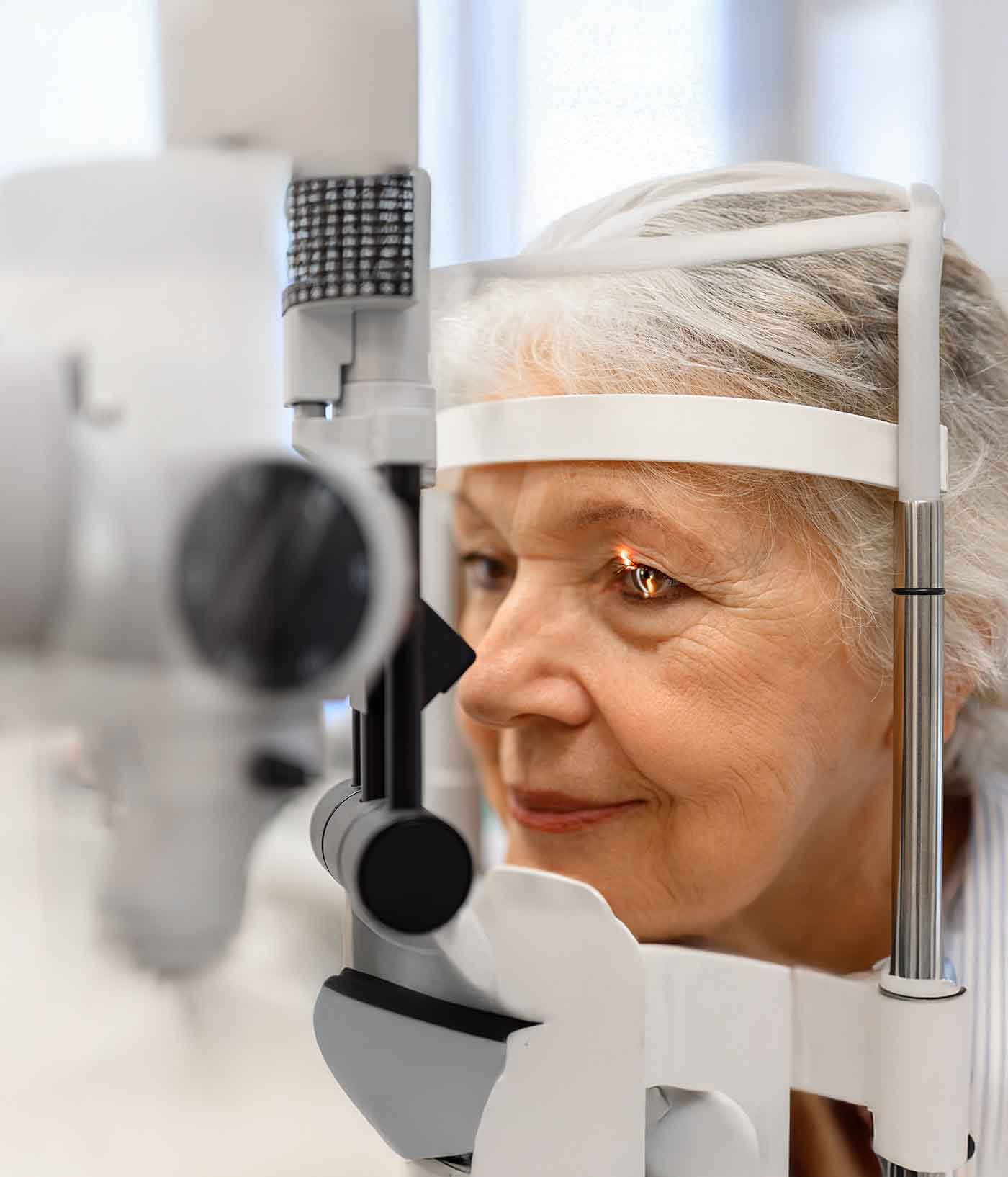
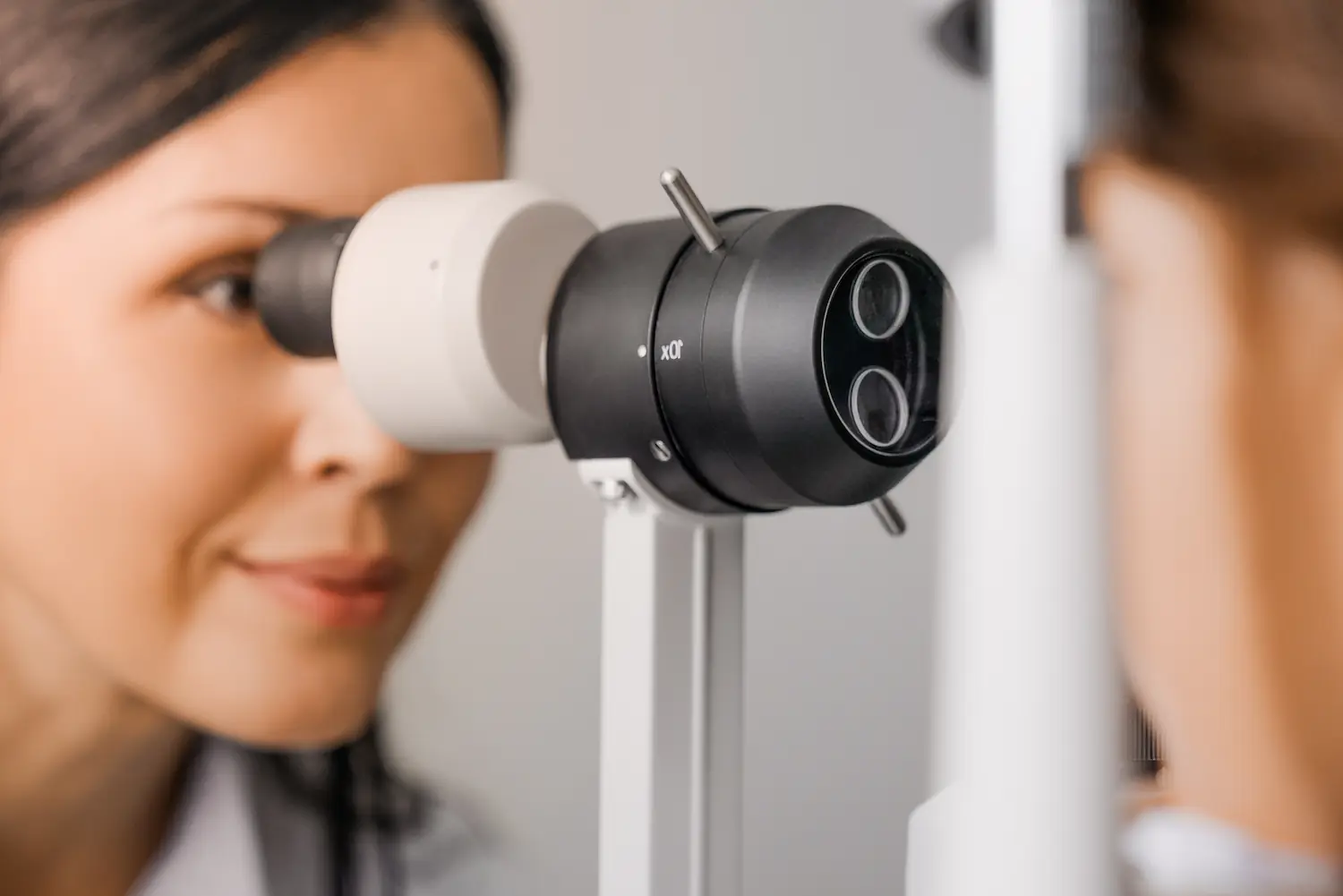
- Slit-lamp examination to view the lens and detect cloudiness
- Dilated eye exam to assess the lens and retina
- Tonometry to measure eye pressure
- Optical biometry to measure your eye’s dimensions for IOL selection
These measurements are essential for determining the best intraocular lens option for your specific vision needs and lifestyle.
Cataract Surgery: The Procedure
Cataract surgery is an outpatient procedure that typically takes 15 to 20 minutes per eye. Here’s what to expect:
Before Surgery
You’ll receive detailed pre-operative instructions, including:
- Discontinuing certain medications as directed
- Fasting for 6-8 hours before surgery
- Arranging transportation, as you cannot drive immediately after surgery
- Wearing clean, comfortable clothing
- Avoiding makeup, lotions, and perfumes on surgery day
- Completing all pre-operative testing and measurements
During Surgery
Our surgeons use advanced techniques to remove the cloudy lens and replace it with a clear artificial intraocular lens implant (IOL). The procedure involves:
- Numbing drops are applied to your eye
- A small incision (typically 2-3mm) is made in the cornea
- The cloudy lens is broken into small pieces using ultrasound energy (phacoemulsification)
- The lens fragments are gently removed
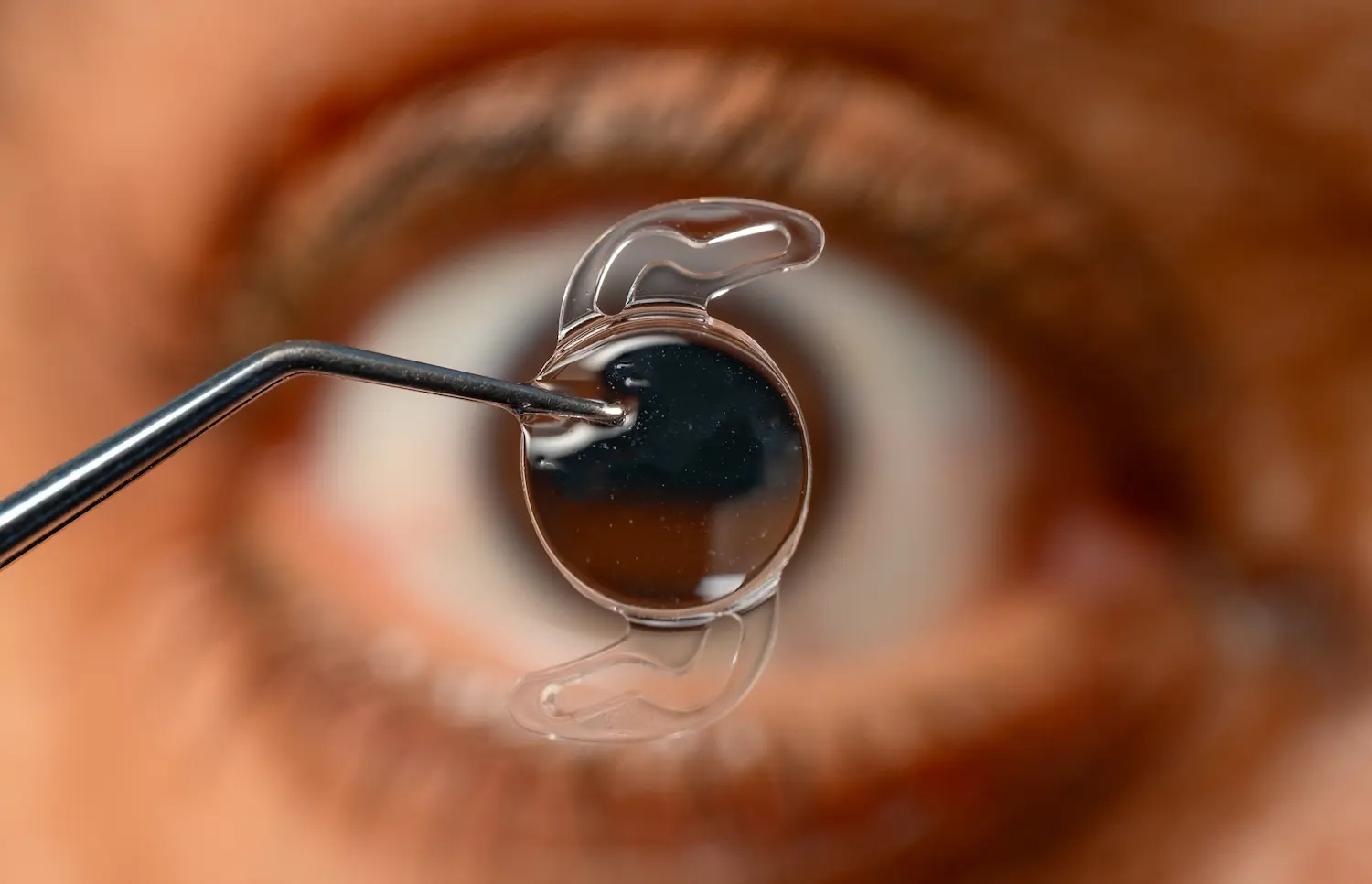
- The artificial IOL is inserted through the small incision
- The incision typically closes without stitches due to its small size
After Surgery
You’ll rest in the recovery area for about 30 minutes before going home. Your eye may feel slightly scratchy or uncomfortable, but this typically resolves within a few days. Most patients notice improved vision within 24 to 48 hours, though complete healing takes several weeks.
Laser-AssistedCataract Surgery
At Gordon Schanzlin New Vision Institute, we offer laser-assistedcataract surgery, an advanced option that uses femtosecond laser technology to enhance precision and safety. This laser-assisted approach provides several advantages:
- More precise corneal incisions for better wound healing and reduced astigmatism
- Accurate lens fragmentation, reducing ultrasound energy needed and minimizing inflammation
- Precise capsulotomy (opening of the lens capsule) for optimal IOL positioning
- Correction of astigmatism during surgery using laser-created relaxing incisions
- Reduced inflammation and faster visual recovery
- Enhanced safety profile with real-time eye tracking technology
Laser cataract surgery is particularly beneficial for patients with astigmatism or those seeking the most precise surgical outcomes. Our surgeons have extensive training in femtosecond laser technology and customize each procedure to your unique eye anatomy.
Advanced Cataract Surgery Technology
At Gordon Schanzlin New Vision Institute in La Jolla, we use cutting-edge technology to enhance precision, improve safety, and customize your cataract surgery to your unique vision needs.
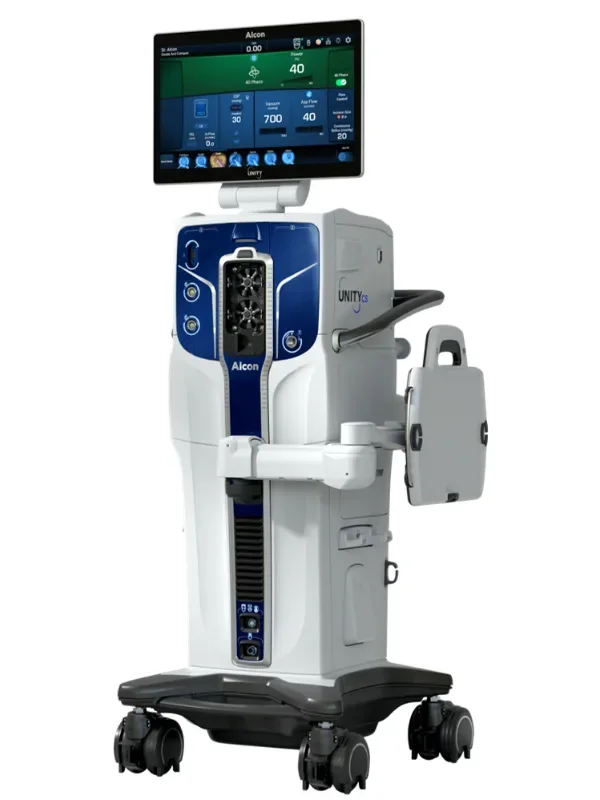
Alcon Unity Phaco System
The Alcon Unity Phaco system uses up to 40% less ultrasound energy than traditional systems, making surgery gentler on your eye while reducing surgical time and improving eye pressure control. This results in faster healing and clearer visual outcomes, especially for patients with dense cataracts or complex eye anatomy.
LenSx Femtosecond Laser
The LenSx femtosecond laser uses image-guided precision to perform multiple surgical steps with exceptional accuracy. This bladeless system creates a digital map of your eye’s anatomy and uses it to guide each step, allowing us to create precise incisions, soften the cataract for easier removal, optimize IOL positioning, and correct astigmatism. This customization is especially valuable for patients choosing premium IOL options.

ORA System with VerifEye+
The ORA System with VerifEye+ provides real-time measurements during surgery to confirm the ideal IOL power and placement before the lens is inserted. This intraoperative feedback is particularly beneficial for patients choosing premium lenses like toric, multifocal, or extended depth-of-focus options, reducing the chance of needing glasses after surgery.
Why Technology Matters
Every eye is unique, and no two patients have identical vision needs or eye anatomy. By combining state-of-the-art technology with the expertise of our experienced surgeons, we deliver cataract care that is safer, more personalized, and aligned with your specific vision goals. Our commitment to using the latest advancements means you benefit from innovations that weren’t available just a few years ago.
Intraocular Lens (IOL) Options
The type of artificial lens you choose significantly impacts your vision after surgery. We offer several premium IOL options to match your lifestyle and visual needs:
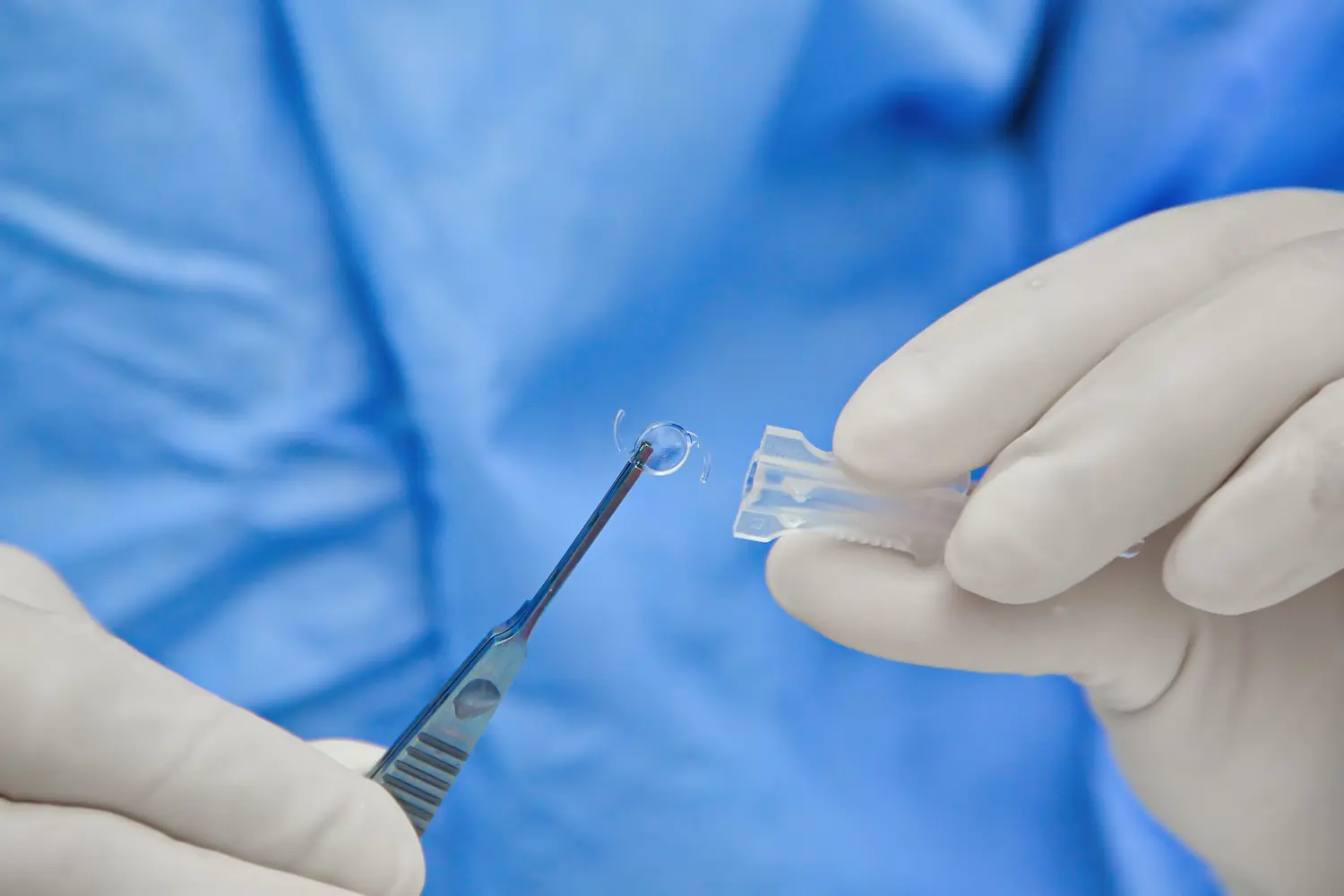
Monofocal Lenses
Standard monofocal lenses provide clear vision at one distance, typically distance vision. Most patients still need reading glasses for near vision tasks. These lenses are often covered by insurance and are an excellent choice for patients who don’t mind wearing glasses for reading.
Multifocal Lenses (PanOptix Trifocal IOL)
Multifocal lenses like the PanOptix trifocal IOL provide clear vision at multiple distances, including near, intermediate, and far. Many patients achieve functional vision without glasses for most daily activities, including reading, computer work, and driving. These premium lenses significantly reduce dependence on corrective eyewear and are ideal for active patients who want maximum freedom from glasses.
Extended Depth of Focus (EDOF) Lenses
EDOF lenses provide a continuous range of clear vision, particularly beneficial for intermediate and distance vision. They offer a good balance between distance clarity and near vision without the halos sometimes associated with multifocal lenses. EDOF lenses are an excellent choice for patients who want reduced glasses dependence with minimal visual side effects.
Light Adjustable Lenses (LAL)
Light Adjustable Lenses are the only IOL that can be customized after surgery using light treatments. This allows for fine-tuning of your vision prescription after your eye has fully healed, providing exceptional precision in achieving your desired vision outcome. LALs are ideal for patients who want the most personalized vision correction possible.
Toric Lenses
If you have astigmatism, toric IOLs correct this refractive error during cataract surgery, reducing or eliminating your need for glasses or contacts for distance vision. Toric lenses can be combined with multifocal technology for comprehensive vision correction.
Our surgeons will discuss which IOL option best suits your vision goals, lifestyle, and budget during your consultation. We provide detailed comparisons and can answer all your questions about each lens type.
Recovery and What to Expect After Cataract Surgery
Recovery from cataract surgery is typically swift and straightforward. Here’s a timeline of what to expect:
First 24-48 Hours
- Your vision may be blurry or hazy as your eye adjusts
- You may experience mild discomfort, scratchiness, or a gritty sensation
- Avoid strenuous activities, heavy lifting, and bending
- Use prescribed eye drops as directed to prevent infection and reduce inflammation
- Wear the protective shield provided, especially at night
- Rest with your head elevated to reduce swelling
First Week
- Vision continues to improve daily
- Most patients notice significant vision improvement within 3-5 days
- You can resume light activities and return to work if your job doesn’t involve strenuous activity
- Continue using prescribed eye drops
- Avoid swimming, hot tubs, and water sports
- Wear sunglasses to protect your eye from bright light
- Avoid rubbing or pressing on your eye
2-4 Weeks
- Vision stabilizes further
- Most patients can resume normal activities, including exercise
- You may still experience mild fluctuations in vision as your eye continues to heal
- Continue using eye drops as prescribed
- Attend all follow-up appointments
- Gradually increase activity level as tolerated
6-12 Weeks
- Your eye is fully healed
- Your final vision prescription can be determined
- If you chose a monofocal lens, you may get new glasses or contact lenses at this time
- Most patients achieve their best vision by this point
- You can resume all normal activities without restrictions
The majority of patients experience significant vision improvement within the first week following cataract surgery, with continued improvement over the following weeks.
Preparing for Your Cataract Surgery
Proper preparation ensures the best surgical outcome. Here’s what you need to do:
- Schedule a comprehensive pre-operative eye examination
- Provide a complete medical history, including all medications and supplements
- Arrange transportation for surgery day and the following day
- Plan time off work (typically 1-2 weeks for full recovery)
- Stock up on prescribed eye drops before surgery
- Prepare your home for recovery (clean, comfortable resting area)
- Avoid eating or drinking after midnight the night before surgery
- Wear loose, comfortable clothing on surgery day
- Leave jewelry and valuables at home
- Bring a list of all current medications
- Arrange for someone to stay with you for the first 24 hours

Cataract Surgery Success Rates and Safety
Cataract surgery is one of the safest and most effective surgical procedures performed today. According to the American Refractive Surgery Council, cataract surgery has a success rate of approximately 95-98%, with the vast majority of patients achieving their desired vision outcome.
Trusted Source
Cataract Surgery
Cleveland Clinic
Go to Source
3
Serious complications are rare, occurring in less than 1-2% of cases.
Trusted Source
Is Cataract Surgery with Vision-Correcting IOLs Safe?
American Refractive Surgery Council
Go to Source
4
Minor complications, such as temporary inflammation or mild astigmatism, are more common but typically resolve with appropriate treatment. Our surgeons take every precaution to minimize risks through advanced technology, meticulous surgical technique, and comprehensive post-operative care.

Why Choose Gordon Schanzlin New Vision Institute for Cataract Surgery
Our practice combines decades of surgical expertise with cutting-edge ophthalmic technology. Here’s what sets us apart:
Experienced Board-CertifiedCataract Surgeons
Our ophthalmologists are board-certified by the American Board of Ophthalmology and have extensive training in advanced cataract surgery techniques. With decades of combined experience performing thousands of successful cataract surgeries, our surgeons are committed to delivering exceptional results and personalized care for each patient.
State-of-the-Art Technology and Facilities
We utilize advanced laser systems and diagnostic equipment to ensure precision and safety. Our commitment to staying current with the latest ophthalmic innovations means you benefit from the most advanced surgical techniques available. Our surgical facility is equipped with state-of-the-art equipment and meets the highest standards for safety and sterility.
Comprehensive IOL Selection
We offer a full range of premium intraocular lens options, including multifocal, extended depth of focus, light adjustable, and toric lenses, allowing you to choose the lens that best matches your lifestyle and vision goals.
Personalized Treatment Plans
Each patient receives a customized treatment plan based on their unique eye anatomy, vision needs, and lifestyle. We take time to discuss your goals and answer all your questions before surgery. Our surgeons believe that informed patients make better decisions about their eye care.
Proven Track Record
Our surgeons have performed thousands of successful cataract surgeries, with high patient satisfaction rates and excellent visual outcomes. Many patients report that cataract surgery has transformed their quality of life, allowing them to return to activities they love.
Research and Innovation
Our practice participates in clinical research and trials, contributing to advances in ophthalmic surgery. This commitment to innovation ensures our patients benefit from the latest developments in cataract surgery techniques and technology. Our surgeons are actively involved in advancing the field through research and education.
Professional Affiliations and Accreditations
- American Academy of Ophthalmology
- American Society of Cataract and Refractive Surgeons (ASCRS)
- Sharp Memorial Hospital
- Outpatient Surgery Center of La Jolla
- University of California teaching affiliations
Frequently Asked Questions About Cataract Surgery
How do I know if I have cataracts?
If you’re experiencing blurred vision, glare sensitivity, difficulty seeing at night, or color fading, schedule a comprehensive eye examination. Our eye doctors can diagnose cataracts and discuss treatment options with you. Early detection allows for better planning and optimal outcomes.
When should I have cataract surgery?
Cataract surgery is recommended when cataracts begin to interfere with your daily activities and quality of life. There’s no need to wait until cataracts are “ripe” or fully developed. Modern cataract surgery can be performed at any stage of cataract development. The decision to proceed with surgery is based on your symptoms and visual needs, not the density of the cataract. If cataracts are affecting your ability to work, drive, or enjoy hobbies, surgery may be appropriate.
Is cataract surgery painful?
No. Your eye will be numbed with anesthetic drops, so you won’t feel pain during surgery. You may feel slight pressure or hear the sound of the surgical instruments, but the procedure is painless. After surgery, you may experience mild discomfort or a scratchy sensation, which typically resolves within a few days with proper care.
How long does cataract surgery take?
The actual surgical procedure typically takes 15 to 20 minutes per eye. However, plan to spend 2 to 3 hours at our surgical center, including pre-operative preparation and post-operative recovery time.
Can I have both eyes done at the same time?
Typically, we perform cataract surgery on one eye at a time, usually scheduling the second eye surgery 1 to 2 weeks after the first. This approach allows your first eye to heal and helps us optimize the IOL power for your second eye based on your healing response. It also allows you to adapt to your new vision gradually.
What is the recovery time for cataract surgery?
Most patients notice improved vision within 24 to 48 hours. However, complete healing takes 4 to 6 weeks, and your final vision prescription may not stabilize for 6 to 12 weeks. You can typically return to light activities within a few days and resume normal activities within 1 to 2 weeks.
Will I need glasses after cataract surgery?
This depends on the type of IOL you choose. If you select a monofocal lens, you’ll likely need glasses for reading or near vision. Premium IOL options like multifocal or light adjustable lenses can reduce or eliminate your dependence on glasses for most activities. During your consultation, we’ll discuss which option best suits your lifestyle and vision goals.
What are the risks and complications of cataract surgery?
While cataract surgery is very safe, all surgical procedures carry some risk. Potential complications are rare but may include infection, bleeding, inflammation, or retinal detachment. More common minor complications include temporary inflammation, mild astigmatism, or dry eye. Our surgeons take every precaution to minimize risks through advanced technology and meticulous surgical technique. We’ll discuss all potential risks and benefits during your consultation.
Can cataracts come back after surgery?
No. Once the cloudy lens is removed and replaced with an artificial IOL, cataracts cannot develop again. However, some patients develop a condition called posterior capsular opacification (PCO), where the membrane behind the IOL becomes cloudy. This is easily treated with a quick laser procedure called YAG capsulotomy, which takes only a few minutes and is performed in our office.
How much does cataract surgery cost?
Cataract surgery costs vary depending on the type of IOL selected and whether laser-assisted surgery is used. Basic cataract surgery with a standard monofocal lens is often covered by insurance, including Medicare. Premium IOL options and laser-assisted surgery typically involve additional out-of-pocket costs. We offer flexible financing options to make surgery affordable. Contact our office for a detailed cost estimate based on your specific needs.
Does insurance cover cataract surgery?
Most insurance plans, including Medicare, cover the basic cost of cataract surgery with a standard monofocal IOL. Premium IOL options and laser-assisted surgery may involve additional costs not covered by insurance. We work with most major insurance plans and can help you understand your coverage. Contact our office to verify your specific insurance benefits.
Where can I find cataract surgery near me in La Jolla, San Diego?
Our practice specializes in advanced cataract surgery and comprehensive eye health services with board-certifiedophthalmologists and optometrists. Located in La Jolla Village Drive area, we treat a full range of eye conditions including cataracts, glaucoma, dry eye, and keratoconus. We also offer LASIK, PRK, and laser vision correction for patients seeking refractive surgery. Whether you need medical advice about cataracts or other eye conditions, our eye care team at this medical center is committed to restoring your clear vision.

Patient Testimonials
“Unbelievable! Dr. Schanzlin is very competent and inspires confidence. He took a personal interest in me which I believe he does with each patient and seemed to have time to discuss every concern. He spoke to me both before and after my cataract surgery. He has surrounded himself with a professional and friendly staff. Every person called me by my name. My experience was wonderful (if going to a doctor can be!) from beginning to end. I recommend Dr. Schanzlin with 25+ stars!”
– D.M.
Google Review
⭐⭐⭐⭐⭐
“I would give it 6 stars if I could. I had a great experience, Dr Gordon removed the cataracts on both my eyes. and I couldn’t be happier. I can see sharp again, far and near. Painless all the way. No complications or issues at all. They really know what they are doing over there.”
– E.A.
Google Review
⭐⭐⭐⭐⭐
“If you top tier treatment for your eyes this is definitely the only place in San Diego to go. From the moment you walk through the door to the post operative follow up they are super supportive and reassuring the entire way through.”
– Z.D.
⭐⭐⭐⭐⭐
Want to hear from more of our satisfied patients? Visit our Patient Stories page for more cataract surgery patient reviews.
Your Path to Clear Vision Starts Here
Cataracts don’t have to limit your life. With modern cataract surgery and premium IOL options, you can restore clear vision and return to the activities you love. At Gordon Schanzlin New Vision Institute in La Jolla, San Diego, our experienced board-certifiedophthalmologists are dedicated to providing exceptional care and outstanding results.
Our commitment to excellence extends beyond surgery. We provide comprehensive pre-operative counseling, meticulous surgical technique, and attentive post-operative care to ensure your best possible outcome. Many of our patients report that cataract surgery has transformed their quality of life, allowing them to drive safely, read comfortably, and enjoy outdoor activities without the limitations imposed by cataracts.
Don’t let cataracts hold you back. Schedule your comprehensive cataract evaluation with Gordon Schanzlin New Vision Institute today and take the first step toward clearer vision.
 Sources
1 Cleveland Clinic. Cataracts (Age-Related). https://my.clevelandclinic.org/health/diseases/8589-cataracts-age-related. Accessed January 16, 2026.
2 Mayo Clinic. Cataracts. https://www.mayoclinic.org/diseases-conditions/cataracts/symptoms-causes/syc-20353790. Accessed January 16, 2026.
3 Cleveland Clinic. Cataract Surgery. Available: https://my.clevelandclinic.org/health/treatments/21472-cataract-surgery. Accessed January 16, 2026.
4 American Refractive Surgery Council. Is Cataract Surgery with Vision-Correcting IOLs Safe? Available: https://americanrefractivesurgerycouncil.org/refractive-surgery-procedures/cataract-surgery-with-vision-correcting-iols/is-cataract-surgery-with-vision-correcting-iols-safe. Accessed January 16, 2026.
The doctors at Gordon Schanzlin New Vision Institute have either authored or reviewed and approved this content.
Page Updated:

 Call
Call  Book
Book  Location
  Specials